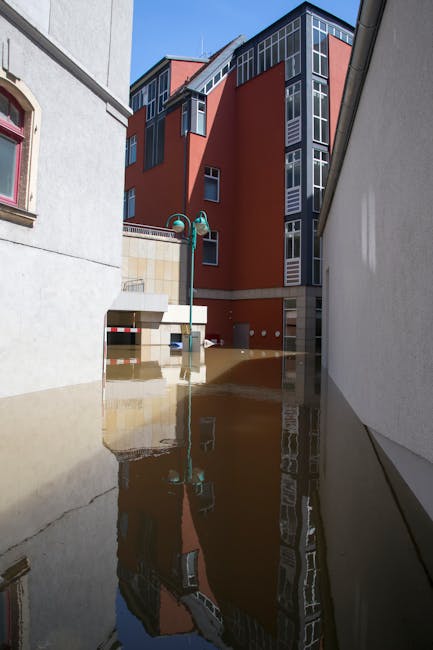
Same day emergency cleaning West Ealing for floods
When floodwater gets into a home or business, the clock starts ticking straight away. Carpets swell, wooden floors begin to lift, damp creeps into skirting boards, and that sour, muddy smell settles in fast. If you need Same day emergency cleaning West Ealing for floods, the main goal is simple: make the space safer, limit damage, and get a proper clean-up moving before the problem spreads. That first few hours matter more than most people realise.
In West Ealing, flood-related cleaning often means more than wiping up visible water. It can involve contaminated water, hidden moisture under furniture, soaked soft furnishings, and cleanup work that needs to be handled carefully. This guide walks you through what emergency flood cleaning involves, how the process usually works, what to avoid, and how to decide what help you actually need. No drama, no fluff. Just the practical stuff that helps when your floor is squelching under your feet.
For readers comparing services or checking what a professional team can handle, it can also help to look at related services such as deep cleaning, carpet cleaning, and hard floor cleaning, because flood recovery often overlaps with all three.
Table of Contents
- Why Same day emergency cleaning West Ealing for floods Matters
- How Same day emergency cleaning West Ealing for floods Works
- Key Benefits and Practical Advantages
- Who This Is For and When It Makes Sense
- Step-by-Step Guidance
- Expert Tips for Better Results
- Common Mistakes to Avoid
- Tools, Resources and Recommendations
- Law, Compliance, Standards, or Best Practice
- Options, Methods, or Comparison Table
- Case Study or Real-World Example
- Practical Checklist
- Conclusion
- Frequently Asked Questions
Why Same day emergency cleaning West Ealing for floods Matters
Floodwater does not just sit there politely. It spreads into gaps, under cabinets, behind appliances, and into soft materials that hold moisture for days. The visible water is only part of the issue. The hidden part is usually what causes the bigger headache later on: lingering damp, mould growth, stained surfaces, warped wood, and smells that are hard to shift once they settle in.
Same-day response matters because early action can stop a manageable cleanup from becoming a long, expensive repair job. If a hallway carpet is soaked by a burst pipe or a ground-floor room has taken on surface water after heavy rainfall, the difference between cleaning within hours and waiting until tomorrow can be huge. To be fair, it is one of those jobs where hesitation costs more than speed.
It also matters for health and hygiene. Floodwater can carry debris, bacteria, or contaminants depending on the source. That is why emergency flood cleaning is not the same as a routine tidy-up. It often needs targeted sanitation, careful waste removal, and a sensible approach to materials that may no longer be safe to keep.
Expert summary: in a flood situation, the best outcome usually comes from three things done quickly: remove standing water, reduce moisture in the structure, and clean affected surfaces before staining, odour, and mould have time to take hold.
If the flooding has affected a landlord property, a shared building, or a workplace, the pressure can feel even greater. There may be tenants to reassure, staff to protect, or rooms that need to reopen quickly. In those situations, emergency support can sit alongside commercial cleaning or communal area cleaning depending on the space affected.
How Same day emergency cleaning West Ealing for floods Works
Most emergency flood cleans follow a practical sequence rather than a one-size-fits-all script. The exact method depends on the water source, the materials affected, and how long the water has been sitting. But the broad process usually looks something like this.
1. Rapid assessment
The first task is figuring out what kind of water is involved and what parts of the property are affected. Clean rainwater leaking in through a window is a very different job from water that has backed up from a drain or bathroom system. The cleaning plan changes depending on that. A good assessment also checks whether the area is safe to enter, especially if electrics, slippery floors, or structural issues are involved.
2. Water removal and containment
Standing water needs to be removed quickly. In some homes, that means mopping and extraction in smaller areas. In larger or more serious cases, suction equipment or wet vacuuming may be needed. The idea is to stop the water travelling further into carpets, underlay, timber, or wall edges.
3. Sorting salvageable items from damaged ones
Not everything can be saved. Flooded cardboard, saturated cushions, or heavily contaminated rugs may need to be removed. Softer items such as upholstery and bedding often need a closer judgement call. This is where experience really helps, because people tend to hold on to things too long or throw away items that could still be rescued with the right treatment.
4. Cleaning, disinfection, and deodorising
Once the water is out, surfaces are cleaned with the right products for the material. Hard floors, tiles, and sealed surfaces can often be cleaned and sanitised more straightforwardly than porous materials. Soft furnishings may need targeted treatment, and fabric items often need stain and odour care. For that side of the work, services such as stain removal, upholstery cleaning, and steam carpet cleaning can be relevant after the immediate emergency phase.
5. Drying and moisture control
Flood cleaning is not finished until the moisture problem is under control. Even after the visible water has gone, hidden damp can remain in underlay, boards, or furniture bases. Airflow, dehumidification, and regular moisture checks help reduce the chance of mould or a long-term smell problem. This part is easy to underestimate, and that is where trouble often starts.
6. Final inspection and recommendations
A proper end-of-job review should tell you what has been cleaned, what has been removed, what may need follow-up treatment, and whether further works are advisable. If floorboards have lifted or plaster has been compromised, cleaning alone may not be the whole answer. Sometimes the honest answer is: the room is cleaner, safer, but not fully back to normal yet. That honesty is useful.
Key Benefits and Practical Advantages
There are several reasons people choose same-day emergency cleaning rather than waiting for a routine appointment. And in flood situations, they are usually practical reasons, not luxury ones.
- Less long-term damage: The faster floodwater is removed, the lower the risk of permanent staining, swelling, and odour.
- Better hygiene: Quick cleaning reduces the time contaminants sit on surfaces and fabrics.
- Reduced disruption: A flooded kitchen, hallway, or office can often return to normal use much faster with immediate action.
- Better salvage rates: Furniture, flooring, and decor are more likely to be saved if treated early.
- Clearer next steps: A professional assessment can help you decide whether drying, repair, replacement, or further cleaning is needed.
There is also a quieter benefit: peace of mind. Flood damage is stressful, plain and simple. When someone turns up who knows what they are doing, the whole situation feels less chaotic. You still have a mess, yes, but it stops feeling like a mystery.
For homes, this can mean protecting carpets, mattresses, and furniture. For businesses, it may mean keeping reception areas, offices, or shared walkways usable. In larger properties, the combination of cleaning and sensible scheduling can help you avoid shutdowns or complaints from neighbours and occupants.
Who This Is For and When It Makes Sense
Emergency flood cleaning is not only for dramatic, whole-house disasters. In fact, some of the most common calls come from smaller but urgent problems that still need immediate attention.
It makes sense if you are dealing with:
- a burst pipe or leaking appliance
- rainwater entering through windows, doors, or roofline gaps
- a flooded hallway, kitchen, bathroom, or utility room
- soaked carpets or rugs
- water under furniture or behind fitted units
- an office, shop, or shared area needing same-day recovery
- bad smells, staining, or damp patches after water has been removed
For a homeowner, the main concern may be protecting the property and keeping the family safe. For a tenant, the question is often who is responsible for what and how quickly the room can be made usable again. Landlords and letting agents, meanwhile, often need a documented, sensible response because delays can snowball into disputes later on. That is where services like end of tenancy cleaning or move out cleaning may become relevant after the flood itself is handled.
It also makes sense for businesses that cannot just close for days at a time. A damp office corridor or customer-facing area can affect operations quickly. If the flood has affected commercial rooms, a combination of emergency cleaning and follow-up office cleaning may be the best route.
Step-by-Step Guidance
If your property floods, here is the practical sequence to follow before and during same-day cleaning. Some steps are common sense, but in the middle of a messy room, common sense can disappear a bit, can't it?
- Stay safe first. If water is near electrics, stay out of the area until it is confirmed safe. Slippery flooring and hidden hazards are a real risk.
- Stop the source if possible. Turn off the water supply if the flood is from an internal leak and you can do so safely.
- Move dry items out of the affected area. Take furniture, electronics, paperwork, and soft items somewhere dry if they can be moved safely.
- Photograph the damage. Before anything is thrown away or moved too far, take clear pictures for your records and, if relevant, your insurer or landlord.
- Remove standing water. Use mops, towels, or professional extraction if available. The faster this happens, the better.
- Improve airflow. Open windows where safe, but do not create a bigger problem by dragging damp air through the wrong parts of the property.
- Clean and sanitise affected surfaces. Hard floors, skirting boards, and washable surfaces should be cleaned carefully.
- Assess fabrics and carpets. Carpets, rugs, curtains, and upholstery often need more than a quick wipe. If they are heavily soaked, professional treatment is usually the sensible choice.
- Dry and monitor. Even after everything looks fine, keep an eye on damp patches, smells, and soft flooring for a few days.
- Arrange follow-up cleaning if needed. Some properties need a second visit for staining, odour, or detailed fabric work.
If the flood has affected bedding or mattresses, do not guess your way through it. A saturated mattress is rarely a simple DIY save. The same is true for heavily soaked rugs or sofas. Better to deal with it properly than keep a damp smell hanging around for weeks.
Expert Tips for Better Results
Flood cleanup goes smoother when you treat it like a moisture-control job, not just a surface clean. That mindset changes a lot.
- Act within hours, not days. The first day is usually the best window to limit staining and odour.
- Lift items off the floor early. Wooden furniture feet, fabric bases, and cardboard boxes absorb water fast.
- Use the right cleaning method for the material. Steam, detergent, disinfectant, and dry cleaning all have different purposes. One method does not fit everything.
- Watch for secondary damage. A room may look cleaner but still have moisture trapped under the edge of a carpet or behind a unit.
- Prioritise odour control. A clean-looking room can still smell damp if hidden residues remain.
- Keep ventilation steady. A little airflow helps. A stale, closed room does not.
- Be cautious with old or delicate fabrics. Some materials react badly to aggressive cleaning. Soft furnishings are often best assessed individually.
One small but useful habit: leave the room in daylight if possible. You notice marks, swelling, and colour changes far more easily. Evening light hides things. Morning light tells the truth, which is annoying but helpful.
If you are dealing with repeated water ingress, it may also be worth considering related property issues, not just cleaning. Guttering, roof edges, and window seals can all be part of the wider problem, so a flood clean sometimes sits alongside gutter cleaning or window cleaning work where water entry has left residue or streaking.
Common Mistakes to Avoid
People often make the same few mistakes after a flood, usually because they are trying to move quickly. Understandable. But these missteps can make the problem worse.
- Waiting too long: Damp has a way of getting comfortable very quickly.
- Using too much water while cleaning: More water on already saturated materials is the opposite of helpful.
- Ignoring hidden areas: Under beds, behind sofas, beneath fitted units, and at carpet edges are easy places to miss.
- Keeping damaged porous items "just in case": Some things are beyond saving and become odour sources if kept.
- Switching on electrics too soon: If there is any doubt, wait for proper safety checks.
- Only cleaning what you can see: The floor may look decent while underlay or skirting boards are still holding moisture.
Another common one is trying to make a flood job look finished before it really is. We all do it sometimes, frankly. You want the room back, you want the smell gone, you want life to feel normal again. But flooding rewards patience and proper drying more than quick cosmetic fixes.
Tools, Resources and Recommendations
You do not need a warehouse of equipment to start flood recovery, but the right tools make a big difference. The essentials tend to be practical rather than glamorous.
| Tool or resource | What it helps with | When it is useful |
|---|---|---|
| Wet vacuum or extraction equipment | Removing standing water from floors and carpets | Initial flood response and fast cleanup |
| Microfibre cloths and mops | Absorbing moisture and cleaning hard surfaces | Smaller leaks and detail work |
| Dehumidifier | Reducing moisture in the air and materials | After visible water is removed |
| Fans and ventilation | Supporting drying and airflow | During the drying stage |
| Odour and stain treatment products | Addressing damp smell and marking | After initial drying on suitable surfaces |
| Protective gloves and footwear | Reducing contact with contaminated water | Any flood cleanup where hygiene is uncertain |
For households, a sensible first step is to focus on the clean-up basics and then decide what needs specialist attention. For landlords, agents, and businesses, a structured response works better: record the damage, isolate the area, clean safely, and arrange professional follow-up where needed.
Where soft furnishings are involved, services such as sofa cleaning, rug cleaning, and curtain cleaning can be important once the initial emergency has been handled. Not everything needs replacing. But not everything can be rescued either. The judgement call matters.
Law, Compliance, Standards, or Best Practice
Flood cleaning is not usually about complex legal wording, but there are still important UK best-practice points to keep in mind.
Health and safety: Floodwater can create slip hazards, electrical risks, and contamination concerns. Anyone entering the affected area should do so carefully, and if there is any sign of unsafe electrics or structural damage, the area should be treated as restricted until checked.
Waste handling: Contaminated or damaged materials should be removed and disposed of responsibly. That may include items that cannot be sanitised properly, such as saturated cardboard, ruined insulation-like materials, or badly affected soft furnishings.
Insurance and records: If you expect to make a claim, take dated photos and keep a note of what happened, what was cleaned, and what had to be discarded. That simple paperwork can save a lot of back-and-forth later.
Property duties: In rental or managed buildings, landlords and managing agents usually need to act reasonably to reduce further damage. Cleaning, drying, and prompt communication all help demonstrate that the issue is being handled properly.
Professional standards: While every job is different, a good flood clean should be cautious, hygienic, and honest about limitations. If a surface needs repair rather than cleaning, that should be said plainly. The point is not to pretend cleaning can fix everything. It cannot, and that is fine.
If you are checking provider quality, pages such as health and safety policy, insurance and safety, and terms and conditions can help you understand the standards a company says it follows. That is often a useful trust check before you book in a hurry.
Options, Methods, or Comparison Table
Not every flood situation needs the same response. Sometimes a quick localised clean is enough. Sometimes you need full-room treatment with drying and follow-up. Here is a simple comparison.
| Option | Best for | Pros | Limitations |
|---|---|---|---|
| DIY clean-up | Very small, clean water spills | Fast, low cost, immediate | Easy to miss hidden moisture; not ideal for contaminated water |
| Emergency same-day cleaning | Urgent leaks, floodwater, soaked floors or fabrics | Speed, better hygiene, better chance of saving items | May still need drying or repair afterwards |
| Deep clean after drying | Residue, staining, lingering smell | More detailed treatment, better finish | Not a substitute for immediate water removal |
| Specialist fabric restoration | Carpets, rugs, upholstery, curtains | Can salvage valuable or sentimental items | Not every item can be saved |
A lot of people start with DIY because it feels quicker and cheaper. Sometimes that is fine. But once the water starts getting into porous materials, professional help usually becomes the wiser choice. There is no prize for struggling alone for six hours with a bucket. Honestly, there isn't.
Case Study or Real-World Example
Imagine a West Ealing ground-floor flat on a wet afternoon. A washing machine hose fails while the resident is out, and by the time they get home, water has spread into the kitchen, under the edge of the hallway carpet, and partly into the living room. The first instinct is to grab towels, which is fair enough, but the floor still feels cold and damp half an hour later.
In a situation like that, same-day emergency cleaning would usually focus on stopping further spread, extracting standing water, lifting moveable items, and checking the carpet edge and underlay for hidden moisture. The hard floor in the kitchen can often be cleaned and sanitised fairly quickly, while the carpeted area may need separate treatment. If the sofa legs or nearby rug have absorbed water, fabric cleaning or stain treatment might be needed later on.
The important part is not that everything becomes perfect in one visit. It is that the property stops deteriorating. The smell does not get worse. The floor does not warp further. The room remains usable sooner. That is a good outcome, even if a second visit is later needed for finer finishing.
In our experience, people often breathe easier once the visible mess is gone. You can almost hear the room settle down a bit. That sounds odd, but if you have dealt with a flood, you know the feeling.
Practical Checklist
Use this quick checklist if you are dealing with a flood and need same-day cleaning help in West Ealing.
- Identify the water source if it is safe to do so.
- Stay away from electrics and obvious hazards.
- Photograph the affected area before moving too much.
- Remove dry items and valuables from the room.
- Lift rugs, cushions, and portable soft furnishings.
- Blot or remove standing water where possible.
- Increase airflow in a safe, controlled way.
- Arrange cleaning for hard floors, carpets, and upholstery as needed.
- Check for lingering damp smells or dark patches over the next day or two.
- Keep notes for insurance, landlords, or building management if relevant.
Quick reminder: if contamination is suspected, or the water has been sitting for a while, treat the area as a hygiene issue, not just a drying issue.
Conclusion
Flood damage feels overwhelming because it disrupts the ordinary things that make a home or workplace function. The floor is wet, the smell is off, and the room suddenly feels like it belongs to the problem rather than to you. But a fast, careful response can turn that around more quickly than most people expect.
Same-day emergency cleaning in West Ealing is about stabilising the situation, protecting materials, and getting the property back to a safe, usable condition before further damage sets in. The sooner you act, the more options you usually have. That is the simple truth of it.
If you need help with soaked carpets, damaged soft furnishings, or a property that needs an urgent reset after a flood, the best next step is to get clear advice and a prompt plan. Get a free quote today and see how much you can save.
And if you are still standing in a room that smells faintly of damp and panic, take a breath. It can be fixed more often than it feels like right now.
Frequently Asked Questions
How quickly should flood cleaning start after water damage?
As quickly as possible, ideally the same day. The first few hours are important because water spreads, soaks deeper into materials, and increases the risk of odour and mould.
Can carpet be saved after a flood?
Sometimes, yes. It depends on the water source, how long it has been wet, and whether the underlay and subfloor have been affected. Clean water leaks are usually easier to treat than contaminated floodwater.
Is same-day emergency cleaning enough on its own?
Not always. It may solve the immediate cleaning problem, but some properties also need drying, deodorising, or repairs. Flood cleanup and restoration often go hand in hand.
What should I do before the cleaners arrive?
If it is safe, switch off affected electrics, move valuables out of the way, take photos of the damage, and avoid walking contaminated water through the rest of the property.
Will emergency cleaning remove the smell of damp?
It often helps a lot, but the smell may return if moisture is still trapped in carpet, underlay, furniture, or walls. Proper drying is just as important as the cleaning itself.
Can flooded sofas or rugs be cleaned?
Sometimes they can, but not always. The material, level of saturation, and water type all matter. Some items can be restored, while others are beyond practical recovery.
Is floodwater considered a health risk?
It can be. Even when it looks fairly clean, floodwater may contain dirt, bacteria, or other contaminants depending on where it came from. Careful handling is sensible.
Do landlords usually have to arrange cleanup after a flood?
That depends on the cause and the tenancy arrangement, but landlords and agents generally need to respond reasonably to reduce further damage and keep the property safe.
How is emergency flood cleaning different from regular domestic cleaning?
Emergency flood cleaning is about water removal, sanitation, and damage control. Regular domestic cleaning is routine maintenance. The priorities are very different.
Should I use more hot water to clean muddy flood marks?
Usually not as a first instinct. Too much water can drive moisture deeper into porous materials. The right method depends on the surface, so a targeted clean is better than soaking everything again.
What if the flood affected a business or office?
Then speed matters even more. You may need fast cleaning, drying, and a plan to keep staff and visitors safe. In some cases, staged cleaning helps reopen part of the premises sooner.
How do I know if a room needs professional cleaning rather than DIY?
If the water covered a large area, soaked carpets or furniture, smelled bad, or came from an uncertain source, professional help is usually the safer choice. If in doubt, get it assessed rather than guessing.