Communal area Cleaning in Ealing
Communal area Cleaning in Ealing is an essential service for flats, converted houses, apartment blocks, mixed-use buildings, housing associations, landlords, and managing agents who want shared spaces to stay presentable, hygienic, and comfortable for everyone who uses them. In a busy area like Ealing, where properties range from Victorian conversions and mansion blocks to modern developments and purpose-built estates, communal spaces see constant footfall. Hallways, entrances, stairwells, landings, lift areas, bin stores, and shared touchpoints quickly collect dust, marks, litter, and general wear. A consistent cleaning routine helps keep the building looking cared for while also supporting residents, visitors, and tenants who rely on the space every day.
For local customers, choosing a team that understands Ealing matters. Buildings here can vary hugely in layout, access, and occupancy. A staircase in a converted terrace near Ealing Broadway can present different challenges from a modern block near Acton, Northfields, or South Ealing. Some properties have narrow staircases, limited parking, controlled entry systems, or timed access windows that need a flexible approach. Others have shared external areas that are affected by weather, foot traffic, and waste collection. A reliable local cleaning service can adapt to these needs and help keep communal spaces consistently tidy without disrupting residents.
Whether you manage a small block of flats, a larger residential estate, or a commercial building with shared areas, the aim is the same: to create a cleaner, safer, more welcoming environment. Shared spaces are the first part of a building people notice, and they often shape how well cared for the whole property feels. If you are looking for a dependable solution for communal area cleaning in Ealing, a scheduled service can help maintain standards all year round.
Why communal cleaning matters for Ealing properties
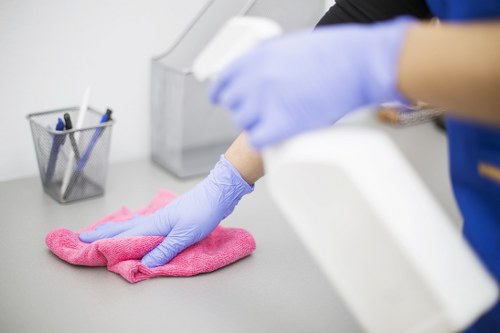
Communal areas are used by multiple people every day, which means they gather dirt and scuffs much faster than private rooms. Door handles, switches, bannisters, entrance mats, lift buttons, skirting boards, and floors are touched and walked over repeatedly. In blocks of flats and shared houses, these spaces also need to reflect the standard of the property as a whole. A clean communal area can make a noticeable difference to resident satisfaction and to how visitors, contractors, and prospective tenants experience the building.
Ealing has a wide mix of property styles and occupancy levels, so there is no single cleaning routine that suits every building. A small converted building may need careful attention to staircases and entrance glass, while a larger estate may also need bin area cleaning, lobby upkeep, and more frequent high-touch point cleaning. Commercial buildings with shared corridors, reception spaces, and washrooms may require a more detailed schedule to keep pace with staff and visitor use. The right service should be tailored to the building, not delivered as a one-size-fits-all approach.
There are also practical reasons to keep shared spaces clean. Dust and debris can build up along edges and in corners, making a property look neglected even when individual homes or offices are well cared for. Spills, litter, and muddy footprints can create slip hazards. Overflowing refuse areas can lead to smells and poor impressions. Regular communal area cleaning helps reduce these problems and keeps the building more pleasant for everyone who lives or works there.
What is included in communal area cleaning?

Every building is different, but a well-planned communal cleaning service in Ealing usually focuses on the shared spaces that are used most often. The exact tasks depend on the size of the property, the number of residents or occupants, and the condition of the building. A professional team will usually start with a site assessment and then agree a schedule that matches the needs of the property.
Typical communal cleaning tasks may include:
- Cleaning entrance lobbies and reception areas
- Vacuuming and sweeping stairs, landings, and corridors
- Mopping hard floors and spot-cleaning marks
- Dusting bannisters, ledges, skirting boards, and surfaces
- Cleaning doors, handles, switches, and other high-touch points
- Wiping glass panels, mirrors, and entrance doors
- Removing litter and maintaining shared waste areas
- Cleaning lift interiors and buttons where applicable
- Refreshing communal mats and removing debris from thresholds
- Keeping internal communal areas presentable between heavier cleans
Some buildings may need additional attention in areas such as bike stores, bin stores, laundry rooms, shared kitchens, or common washrooms. Cleaning requirements often change with usage and season, especially in winter when muddy shoes and wet floors become more common. A flexible cleaning plan can help keep standards steady rather than allowing dirt to build up over time.
Types of properties we support in Ealing
Ealing includes a broad range of property types, and communal cleaning needs can vary significantly from one site to the next. Some customers need support in elegant older buildings with decorative features that require care and attention. Others need dependable cleaning for modern apartment blocks with more functional layouts. A local team should be comfortable working across this variety and adapting methods to suit each property.
Common property types include:
- Converted Victorian and Edwardian houses with shared staircases and narrow corridors
- Purpose-built flats with lift lobbies, long corridors, and multiple access points
- Mansion blocks with entrance halls, internal stairwells, and decorative features
- Housing association and managed estates with regular foot traffic and waste areas
- Modern apartment developments with secure entry systems and communal amenities
- Commercial buildings with shared reception spaces, hallways, and break areas
- Mixed-use properties where residential and business occupants share access routes
Each of these spaces comes with its own cleaning priorities. Older buildings may need extra care around original features, painted walls, or worn stair coverings. Modern developments may need regular attention to glass, polished surfaces, stainless steel, and lift areas. In busy streets around Ealing Broadway, West Ealing, South Ealing, Hanwell, or North Ealing, entrance areas may also collect more dirt due to constant movement in and out of the building. The value of a local service is that it can respond to those details properly.
Why a local Ealing cleaning team is useful
There are many reasons local property managers and residents prefer a nearby cleaning team for communal area cleaning in Ealing. The most obvious is practicality: local teams are better placed to understand the area, access patterns, parking realities, and building types found across the borough. That can make scheduling smoother and help reduce disruption to residents and businesses.
Local knowledge can be especially useful when a property has limited parking, loading restrictions, controlled gates, or specific access times. Some blocks only allow cleaning during certain hours to avoid disturbing residents working from home, parents with young children, or businesses operating downstairs. A team familiar with Ealing’s roads and property layouts can plan visits more efficiently and work around these conditions with less hassle.
Another benefit is consistency. A nearby company is often better positioned to maintain a regular service and respond when extra attention is needed after heavy weather, a spill, a refit, or a surge in building use. If a shared area has been affected by a contractor, post-tenancy changeover, or seasonal footfall, it helps to have a team that can return quickly and restore the space. That sort of responsiveness matters to landlords, managing agents, residents’ associations, and commercial clients alike.
How the service usually works

A good communal cleaning service should be straightforward to arrange and easy to manage over time. The process normally begins with a discussion about the property, its access arrangements, and the areas that need attention. This may be followed by a visit or an initial assessment so the cleaning schedule can be matched to the building’s actual requirements.
In general, the service works in these stages:
- Initial enquiry – You explain the type of property, the number of communal areas, and the level of cleaning required.
- Property assessment – The cleaning needs, access arrangements, and any special instructions are reviewed.
- Tailored plan – A regular schedule is arranged, such as weekly, fortnightly, or more frequent visits where needed.
- Ongoing cleaning – The agreed tasks are carried out consistently and to the required standard.
- Review and adjustment – If building usage changes, the cleaning plan can be reviewed and updated.
For many customers, the most useful service is one that is easy to fit around building routines. That may mean early morning cleans before residents leave for work, daytime visits for buildings with office-style access, or later timings when a site is quieter. The important thing is to find a plan that supports the building rather than getting in the way of it.
What customers in Ealing often look for
People searching for communal area cleaning in Ealing are often trying to solve a specific problem rather than simply booking a general cleaning visit. They may have noticed that stairwells are looking tired, that entrance mats are full of debris, or that residents have raised concerns about rubbish, dust, or marks in shared spaces. In some cases, a managing agent may be looking for a dependable routine after a previous arrangement became unreliable. In others, a landlord wants a better standard before new tenants move in. Either way, the service should be designed around the real needs of the building.
Common reasons customers enquire include:
- Shared hallways becoming dirty between visits
- Residents reporting smells or litter in communal bin stores
- Floors becoming slippery or marked
- Entryways needing more regular upkeep
- Cleaners needing to work around secure access systems
- Buildings needing a reliable routine after changes in occupancy
- Managing agents wanting a more professional presentation for the property
These are all practical concerns, and they are best handled by a team that is focused on shared spaces day in and day out. Good cleaning is not only about appearance. It also supports hygiene, comfort, and the overall impression a property makes on everyone who enters it.
Benefits for landlords, agents, and residents
Different customers value communal cleaning for different reasons, but the benefits overlap. For landlords, regular cleaning can help protect the condition of the property and support tenant satisfaction. For managing agents, it can make day-to-day property oversight easier and reduce complaints about neglected shared spaces. For residents, it means living in a building that feels cared for and more pleasant to use.
There are also longer-term practical advantages. Regular attention can help prevent dirt from becoming ingrained, which often makes each visit more effective and can reduce the need for major remedial work later. When communal spaces are looked after consistently, it is easier to maintain standards over time rather than dealing with bigger clean-ups after problems have built up.
Important details that make a difference
When comparing options for communal area cleaning in Ealing, it is worth thinking about the small details that affect the whole experience. These can include communication, reliability, flexibility, and how carefully the team works around residents and visitors. They also include the practical standard of the clean itself: are corners, skirting boards, thresholds, and other less obvious areas being properly addressed?
Useful qualities to look for in a service include:
- Clear scheduling and agreed visit frequency
- Attention to high-touch points
- Ability to handle buildings of different sizes
- Respectful working practices in occupied properties
- Willingness to adapt to access and security requirements
- Regular, consistent cleaning rather than occasional surface tidying
These details matter because communal spaces are used by many people with different expectations. A reliable service should help the property feel orderly and cared for without creating disruption.
Pricing factors and what affects the quote
When requesting a quote for communal area cleaning in Ealing, it helps to understand the factors that usually affect the overall cost. Exact pricing depends on the building and the scope of work, so any responsible provider will normally look at the site details before confirming a figure. That approach helps ensure the quote reflects the actual requirements rather than a generic estimate.
The most common pricing factors include:
- The size of the communal area
- The number of floors, staircases, and landings
- How often the service is needed
- Whether lifts, lobbies, bin stores, or external entrances are included
- The condition of the property and whether a deeper initial clean is needed
- Access arrangements and time restrictions
- Any additional tasks such as wall spot-cleaning or glass detailing
For many customers, the best value comes from the right schedule rather than the cheapest arrangement. A well-planned routine can keep the building in good order and reduce the chance of issues building up. If a block in Ealing has heavy daily use, a more frequent visit may be more effective than a less regular clean that allows dirt to accumulate between appointments. A local cleaning company can help assess the balance between budget and the standard of presentation you want to maintain.
Preparation checklist before your cleaning starts
A little preparation can help the cleaning visit go smoothly and make sure the team can spend more time cleaning and less time waiting for access or clarification. This is especially helpful in shared buildings where residents, caretakers, or agents all have a role in the day-to-day running of the property.
Before your first visit, consider the following:
- Confirm the areas that should be cleaned and any areas that should be avoided
- Provide access details, codes, keys, or entry procedures where appropriate
- Share any known issues such as fragile fittings, alarms, or restricted spaces
- Tell occupants about the planned cleaning times if needed
- Remove personal belongings from communal surfaces where possible
- Make sure bin stores and shared areas are accessible on the agreed day
In occupied properties, good communication helps avoid confusion and keeps everyone informed. If there are regular concerns from residents, it can also be useful to note them in advance, such as recurring litter problems, muddy footprints by the entrance, or the need for extra attention around mail areas. That way, the cleaning routine can be shaped around actual usage.
Areas covered across Ealing and nearby parts of West London
A local communal cleaning service in Ealing often supports properties across the wider area, including places with a similar mix of residential blocks, conversions, and managed buildings. Depending on the service area, this may include Ealing Broadway, West Ealing, South Ealing, North Ealing, Hanwell, Acton, and surrounding neighbourhoods where shared entrances and corridors need regular care.
Nearby parts of West London often present similar challenges: busy footfall, a wide range of property ages, and access requirements that need a practical, flexible approach. Whether the building is near a busy high street, tucked away on a residential road, or part of a larger estate, the cleaning routine should suit the site itself. That local adaptability can make a real difference to how well the building is maintained.
Why regular cleaning is better than occasional clean-ups
Some properties only receive attention when the communal areas have already become noticeably dirty. While a one-off clean can help restore the space, it is usually harder to maintain standards that way. Regular cleaning is generally more effective because it prevents dirt from building up in the first place. It also means shared areas are more likely to stay presentable throughout the week rather than looking good only after a special visit.
For busy buildings, consistency is often the real priority. Residents notice when hallways are swept regularly, when entrances are kept tidy, and when surfaces are wiped down before dust and marks become obvious. Businesses and managing agents also benefit from a more stable routine because it reduces the need for repeated complaints or emergency call-outs. In this sense, regular communal area cleaning is as much about peace of mind as it is about appearance.
Clean communal spaces support a better everyday experience for everyone. They can make a building feel calmer, more orderly, and more respected. That matters in residential settings where people want to feel proud of where they live, and in commercial settings where first impressions are important. For many Ealing customers, that is what makes a scheduled local service worthwhile.
Frequently asked questions
How often should communal areas be cleaned?
The right frequency depends on the building. A small block with limited traffic may need weekly visits, while busier properties may need more frequent cleaning. The best schedule usually depends on the number of residents, the type of flooring, weather exposure, and how quickly the communal spaces get dirty.
Can the service work around resident access and quiet hours?
Yes. In occupied buildings, it is important to choose times that fit around residents and any site rules. That might mean avoiding early morning noise in some blocks or arranging entry only during approved hours. A local team can usually work around these requirements if they are agreed in advance.
Do you clean bin stores and external entrances too?
Many communal cleaning arrangements include bin stores, entryways, and external threshold areas where appropriate. These spaces are often the first to show signs of wear, so they can be important parts of the cleaning schedule. The exact scope should be confirmed before service begins.
What if the building has awkward access or no parking nearby?
That is common in parts of Ealing, especially around older streets and more congested roads. A local provider should be able to factor in restricted parking, coded entry systems, and narrow access points when planning the visit. Clear instructions beforehand help the service run more smoothly.
Can the cleaning plan be adjusted later?
Yes. Buildings change over time, and cleaning needs can change with them. More residents, extra visitors, building works, or seasonal conditions may all affect what is required. A flexible service can review the schedule and make practical changes when needed.
Request a quote for communal area cleaning in Ealing
If your building needs dependable shared-space cleaning, now is a good time to arrange a tailored service. Whether you manage a small conversion, a larger apartment block, or a commercial property with communal access areas, a local team can help keep the space clean, tidy, and ready for everyday use. Request a free quote and discuss the building layout, cleaning frequency, and any access details that matter to your property.
From stairwells and hallways to entrances, lift areas, and bin stores, the right routine can make a noticeable difference to the way your property looks and feels. Contact us today if you want a practical, locally focused approach to communal area cleaning in Ealing. Book your service now and keep your shared spaces in better shape for residents, visitors, and tenants alike.
Helpful reminder for property managers
When comparing services, look for a provider that understands the demands of shared buildings, communicates clearly, and can adapt to the needs of Ealing properties. The most effective cleaning solution is usually the one that fits the building properly and supports it week after week.
Ready to arrange the next step?
Contact us today to request a free quote for communal area cleaning in Ealing and get a service plan built around your property’s needs.