Health and Safety Policy for Cleaner Ealing
 Cleaner Ealing is committed to maintaining a safe, healthy, and well-managed working environment for all cleaning staff, clients, contractors, and members of the public who may be affected by our services. This policy sets out the standards we follow to reduce risk, support responsible working practices, and ensure that every cleaner in Ealing carries out duties with care, competence, and attention to safety.
We believe that effective health and safety management is part of quality service delivery. Every cleaning assignment should be planned so that hazards are identified early, work is organised sensibly, and safe methods are used at all times. Our approach applies to domestic cleaning, commercial cleaning, communal area maintenance, and specialist tasks where additional controls may be required.
All staff are expected to take reasonable care of their own safety and the safety of others. This means following instructions, using equipment correctly, reporting concerns promptly, and avoiding any action that could create unnecessary risk. A cleaning company in Ealing must operate with consistency, and that consistency begins with clear safety expectations.
Core Responsibilities
Management is responsible for assessing workplace risks, providing suitable equipment, and ensuring that cleaners are trained to work safely. Supervisors and team leaders must review tasks before work begins, especially where there may be slippery floors, restricted access, fragile surfaces, or exposure to chemicals. A professional cleaning service should never rely on guesswork when risk can be reduced through preparation.
Employees are responsible for following safe working practices, wearing appropriate personal protective equipment where required, and using cleaning products only as instructed. They must not improvise with chemicals, electrical items, or lifting methods. If a task feels unsafe, it must be paused until the issue has been reviewed. The Cleaner Ealing team should feel empowered to speak up whenever a hazard is present.
 Training is a central part of this policy. New staff must receive induction covering manual handling, chemical handling, slips and trips prevention, infection control, safe use of equipment, and emergency procedures. Ongoing refresher training helps maintain standards and supports a culture where safety is treated as a shared responsibility rather than a formality.
Risk Control and Safe Working Practices
Risk assessment must be completed before work starts, and it should be updated when conditions change. Particular attention should be given to wet floors, stairs, poorly lit areas, high-traffic spaces, and locations where the public may be passing through. When appropriate, warning signs and barriers should be used to reduce the chance of accidents. A cleaning specialist should always plan work so that people can move around safely.
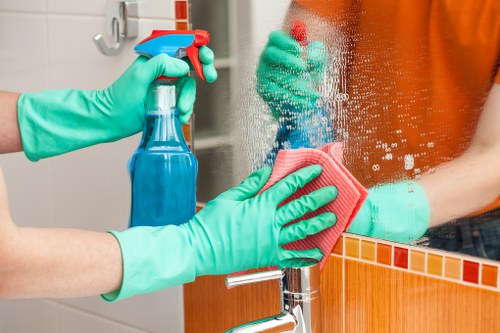
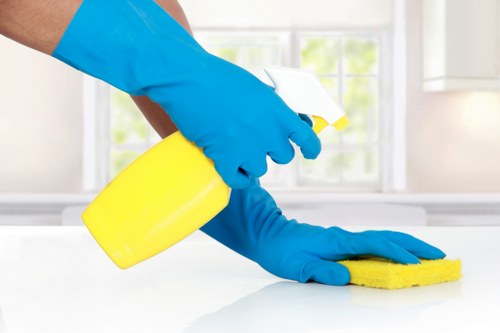
Cleaning chemicals must be stored securely, labelled clearly, and used according to the manufacturer’s instructions. Staff should avoid mixing products unless specifically authorised, as dangerous reactions may occur. Where possible, less hazardous products should be chosen. Gloves, eye protection, masks, or other protective items should be used when needed, and damaged PPE should be replaced immediately.
 Manual handling is another important area of control. Staff should use safe posture, avoid overreaching, and seek help for heavy, awkward, or unstable loads. Trolleys and suitable lifting aids should be used when available. If an object is too heavy, too bulky, or unsafe to move alone, the task should be stopped and reassessed. A reliable cleaning team protects wellbeing by working within safe limits.
Equipment, Hygiene, and Incident Reporting
All equipment must be maintained in good condition and checked before use. Faulty items should be removed from service immediately and reported. Electrical cleaning equipment should be used with care, kept away from water where necessary, and inspected regularly for damage. Staff should never use equipment that they do not understand or that has not been approved for the task.
Hygiene standards are essential in every cleaning environment. Staff must wash or sanitise hands appropriately, avoid cross-contamination by using colour-coded materials where relevant, and handle waste responsibly. When dealing with bodily fluids, contaminated waste, or environments with infection risk, enhanced precautions must be followed. The aim is to protect both the worker and the people who use the premises.
Incidents, near misses, and hazards must be reported as soon as possible so that corrective action can be taken. Even minor events can reveal a wider risk pattern. Reports should include what happened, where it happened, and what controls were in place at the time. Prompt reporting helps prevent repeat incidents and supports continuous improvement across the cleaning operations.
Emergency Procedures and Welfare
In an emergency, staff must remain calm, follow the relevant site instructions, and contact the appropriate responsible person or emergency service if needed. Fire safety procedures, evacuation routes, and assembly points should be understood before work begins. Cleaners should never block exits, tamper with safety equipment, or delay an evacuation to finish a task.
Welfare is also part of health and safety. Reasonable breaks, access to drinking water, and manageable workloads help reduce fatigue and support concentration. Fatigue can increase the risk of mistakes, so work schedules should be arranged sensibly. A safe cleaning service depends not only on equipment and training but also on the physical and mental wellbeing of staff.
 Where work involves repetitive tasks, awkward access, or extended periods of standing, supervisors should review the situation and adjust methods where possible. Simple changes, such as rotating tasks or allowing more time for difficult jobs, can reduce strain and improve performance without compromising quality.
Review and Continuous Improvement
 This policy will be reviewed regularly to ensure it remains effective, practical, and aligned with operational needs. Updates may be made following an incident, change in equipment, new staff training requirements, or a shift in the type of work being undertaken. Continuous improvement is important because safe practice should evolve alongside experience and changing conditions.
Every member of the Cleaner Ealing team has a role in maintaining a secure working environment. By applying sensible controls, respecting procedures, and keeping safety at the centre of daily work, we can deliver dependable cleaning services while reducing preventable harm. Our commitment is simple: clean safely, work responsibly, and protect everyone involved.